A Local Church's Guide to Serving Refugees: Practical First Steps
Most congregations do not have a compassion problem. They have a starting-point problem.
A family from another country arrives with two suitcases, a case file, and a caseworker who is already carrying thirty other families. Forty people at church want to help by Sunday. Nobody knows who to call, what the family actually needs, or how to keep from becoming the eighth group to deliver a used sofa to the same apartment.
What follows is the version of refugee ministry that tends to last: slower at the start, less dramatic in the middle, and still going five years later.
Start With the Agency, Not With Your Idea
In most countries, refugee resettlement runs through agencies that hold government contracts and are accountable for housing, documentation, and initial services. Their local offices are usually small and stretched thin. Those offices already know which family needs what this week — and they have learned to be cautious about volunteers who arrive with their own plan.
The first move is a phone call, not a furniture drive. Ask to speak with the volunteer coordinator or the person who manages community partnerships. Tell them your church is not looking for a one-time project: ask how you can be assigned to a family and stay with them.
Questions worth asking on that first call
- What are your current gaps — transportation, furnishings, English practice, childcare, evening appointments?
- Do you place volunteer teams with families, or do you use a co-sponsor or community-sponsor model?
- What training, background checks, or paperwork do we complete before we meet anyone?
- Who is the case manager for the family, and how should we communicate with them?
- What should we not do? Every office has that list, and it is usually short and useful.
Write down the answers. One coordinator's name in the church office is worth more than a hundred good intentions.
The First Few Months Are Logistics
The formal resettlement period is brief — often measured in months, not years. During that window the needs are concrete and unglamorous: a bed with sheets, a table to eat at, pots and pans, a phone, bus passes, warm coats, and someone who can drive to a school enrollment appointment at nine on a Tuesday morning.
A few habits make that stretch easier:
- Set up the apartment before arrival if the agency allows it. Simple and sturdy beats stylish, and ask what the agency already provides so you are not duplicating.
- Buy food with the family, not for them. Dietary and religious practices vary widely. A grocery trip together teaches more than a stocked pantry.
- Coordinate rides through one list. Missed appointments create real problems — with benefits, medical care, and legal deadlines.
- Protect privacy. Do not post names, faces, or the family's story on social media, and do not circulate their address.
Two areas deserve outside help. Immigration paperwork is not a place for improvisation: work through the agency's case manager and accredited legal representatives or licensed attorneys, because a well-meaning volunteer can damage a pending case. And if someone is dealing with untreated injury, chronic illness, or the effects of trauma, route them to licensed medical and mental health providers rather than carrying that weight inside a small group.
Build a Team, Not a Crowd
Eight to twelve committed people will outserve fifty occasional volunteers. Recruit for specific jobs: drivers on weekday mornings, two people who handle apartment setup, a retired teacher for weekly English conversation, someone with patience for phone calls with utility companies, and one person who prays and keeps notes.
Name a single point person — ideally someone with steady availability and no need for the spotlight — who talks to the case manager and answers questions from the rest of the church. Without that role, a family gets fifteen contacts and no coordination. Complete whatever training and background checks the agency or your church's child-safety policy requires before anyone spends time with children.
Help in a Way That Builds Capacity
The goal is not to make a family dependent on your church. It is to make your church unnecessary as quickly as possible — and then to remain a friend long after that.
That distinction shows up in small choices. Instead of driving someone to every appointment for two years, ride along twice, then help them learn the bus route. Instead of writing emails on their behalf, sit beside them while they write, then edit. Ask a question that puts the decision back where it belongs: "Would you like me to do this, or would you like to learn how?"
Be honest about money. Follow your church's policy for gifts and keep records. If you lend personal money, decide in advance that it is a gift, because lending across a language and paperwork gap can quietly end a friendship.
Friendship Is the Long Work
Attention fades. The news cycle moves on, the volunteer signup sheet thins out, and by month eight a family can feel more isolated than they did in month one. This is where a church either keeps a promise or abandons one.
Friendship looks ordinary: a standing dinner on the first Friday, a ride to a birthday party, help decoding a confusing letter, a place at your table at Christmas, and an invitation to serve rather than only be served. Learn a few phrases of their language and use them badly. Ask about their work, their relatives overseas, and what they miss. Let them host you — many families will, gladly, and being a guest is part of the relationship.
Avoid the traps: treating one family as a spokesperson for a whole country, using their story in a sermon without permission, dropping in unannounced, or promising support you cannot sustain through a busy season.
Your First Thirty Days
- Call the nearest resettlement office and ask how volunteer teams are placed with families.
- Recruit a core team and name one point person.
- Finish the required training and background checks.
- Ask the agency what the next arriving family will need, then set a modest budget your church can actually cover.
- Set a rhythm: rides, weekly English conversation, one shared meal a month.
- Put a six-month review on the calendar now, so the commitment does not depend on enthusiasm alone.
Refugee ministry rarely looks dramatic from the outside. It looks like a car with room for five, a Saturday morning with nothing else on the calendar, and a friendship that quietly outlives the headlines.
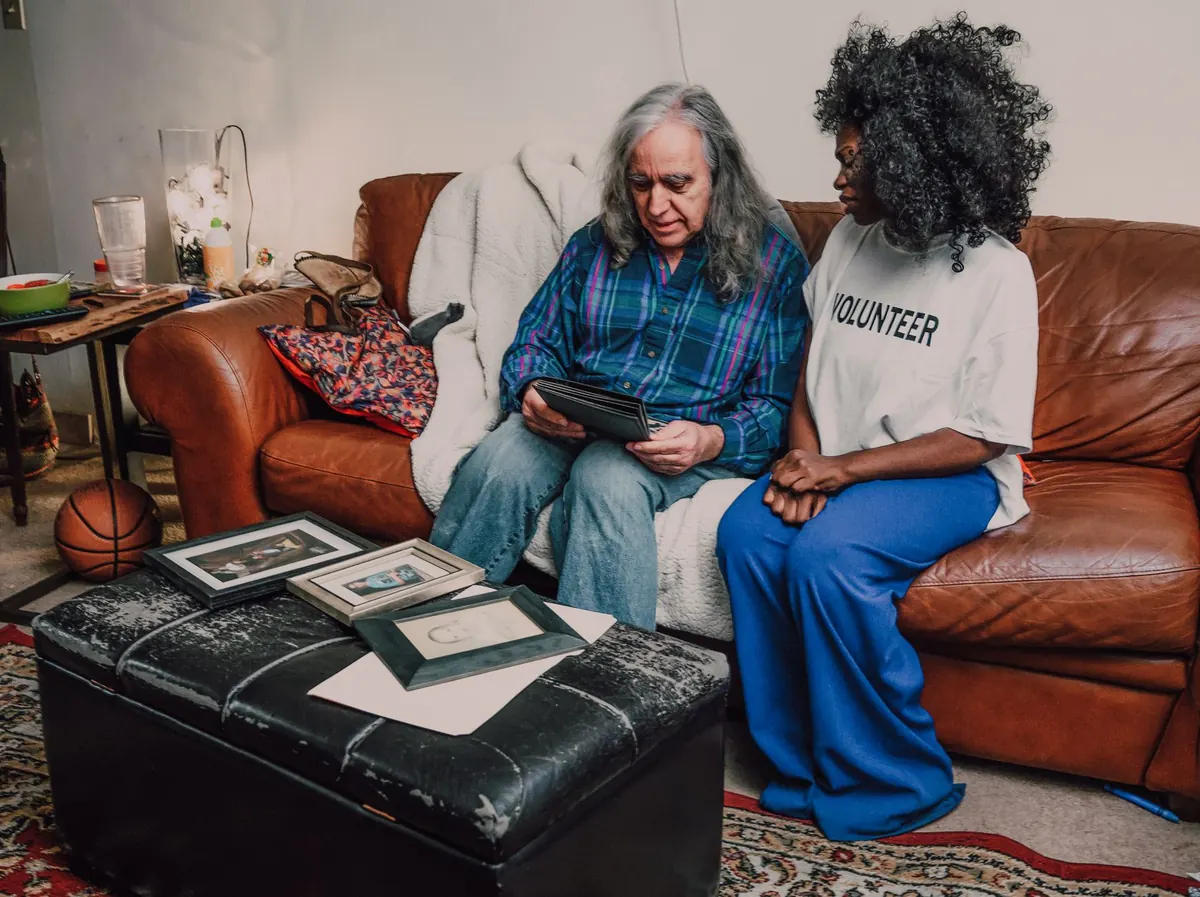
Photo: RDNE Stock project / Pexels
How to Fast Safely as a Christian: A Beginner's Guide to Biblical Fasting
Fasting is a normal part of Christian devotion, but it needs care. Here is how to choose a fast, prepare...

How to Talk About Faith at Work Without Being That Person
A practical guide to sharing faith at work with listening, good timing, legal awareness, and habits that...
About Us