How to Fast Safely as a Christian: A Beginner's Guide to Biblical Fasting
Ask most Christians why they have never fasted and you will hear some version of the same three answers: nobody taught me, I am not sure it is safe, and I would not know where to start. Yet Scripture treats fasting as ordinary. Jesus said, “When you fast,” not “if you fast” (Matthew 6:16), and the early church fasted before sending out missionaries and making hard decisions (Acts 13:2-3). You do not need a special calling to begin. You need a plan, honest limits, and a real reason to pray.
What Biblical Fasting Is, and What It Is Not
Fasting is setting aside food — or something else that holds your attention — for a set period, on purpose, to seek God. It is not a diet, a detox, or a way to earn His favor. What it does is clear space, quiet the body’s demands, and turn your attention toward prayer. Scripture shows several kinds:
- A normal fast: water only, usually for a day or part of a day. The most common starting point.
- A partial fast: giving up certain foods rather than all food. Daniel ate vegetables and water instead of the king’s rich food (Daniel 1:12) and later gave up meat and wine for three weeks (Daniel 10:3).
- A daylight fast: no food from sunrise to sunset, with a simple meal in the evening.
- A regular rhythm: one meal or one day each week. Many find a weekly fast more fruitful than one long stretch.
- A non-food fast: stepping away from social media, streaming, or another habit for a season. Not the biblical norm, but a real option for anyone who cannot safely skip food.
What fasting is not: a bargain, a punishment, or a spiritual score. Isaiah 58 is blunt about fasting that leaves you harsh with your family and indifferent to the poor. If a fast makes you proud, you have missed it.
Start Smaller Than Feels Impressive
The most common mistake is beginning with a long water-only fast after reading about Moses or Esther. Start with one meal. Skip lunch, give that hour to prayer, and eat dinner normally. If that goes well, try dinner-to-dinner once a week for a few weeks before considering anything longer.
Decide two things before you begin: when the fast starts and ends, and what you will do with the time. Unstructured hours tend to fill with scrolling. Drink water steadily through the day; dehydration, not hunger, causes most of the headaches beginners report. Hunger also arrives in waves — often fifteen or twenty minutes, then it fades.
Check Your Body Before You Check Your Calendar
Fasting is not safe for everyone, and no article can tell you whether it is safe for you. Talk with a doctor first if any of the following describes you:
- You are pregnant or nursing.
- You take insulin or medication for diabetes.
- You take any medication that must be taken with food.
- You have a history of an eating disorder.
- You live with a chronic condition affecting the heart, kidneys, liver, or thyroid.
- You are underweight, or you are a child or teenager.
Even if none of those apply, stop and eat if you feel faint, confused, unusually weak, or notice a racing or irregular heartbeat, chest pain, or vomiting. Those are not signs of devotion. They are signs to break the fast and, if symptoms continue, to get medical care.
One more caution about motive. If fasting slides into punishing yourself, or becomes a way to control your body, step back and talk with a pastor or counselor. God is not asking for damage.
Prepare Your Heart, Not Just Your Schedule
Fasting without prayer is just skipping meals. Before you start, write one sentence describing what you are seeking: direction on a decision, repentance over a specific sin, healing for a friend, endurance in a hard season. Then set yourself up:
- Confess what needs confessing and receive forgiveness first. You are not fasting to get clean.
- Choose one passage for your meal times. The Sermon on the Mount, Psalm 51, or Isaiah 58 are good starts.
- Tell one trusted person, so someone knows and can check on you.
- Plan what replaces each meal — a walk with prayer, a journal, a quiet room.
- Let hunger become a prompt. Every pang can turn into a short prayer: I want You more than this.
- Keep it quiet. Jesus told His followers to wash their faces and not look gloomy (Matthew 6:17-18).
How to Break a Fast Well
How you end matters as much as how you start. After a one-day fast, break with something small and simple: broth or soup, fruit, steamed vegetables, whole grains. Eat slowly, wait half an hour, then decide if you want more. Heavy, greasy, or very sugary food will sit badly and can leave you feeling worse than the fast did.
After a fast of several days, reintroduce food gradually — broth and juice first, then fruit and vegetables, then grains and protein, and only then normal meals. Longer fasts deserve medical supervision, not guesswork.
Then keep the thread. Write down what you noticed, what you prayed, and one thing you will keep doing. A fast that ends with nothing remembered rarely changes anything.
A First Fast You Can Keep
If you have read this far and still feel unsure, do this:
- Choose one day this week. Fast from dinner to dinner.
- Eat a light, ordinary dinner the night before.
- Pray before you do anything else in the morning.
- Drink water through the day, and give your meal times to prayer and Scripture.
- Break the fast with soup, bread, and fruit — slowly.
- Write one sentence about what you noticed, and thank God for it.
That is a real fast. It is not dramatic, and it is not meant to be. Fasting is a small, deliberate turning of attention toward God, repeated until it shapes you. Start there, and let the practice grow as your health, your schedule, and your prayer life allow.
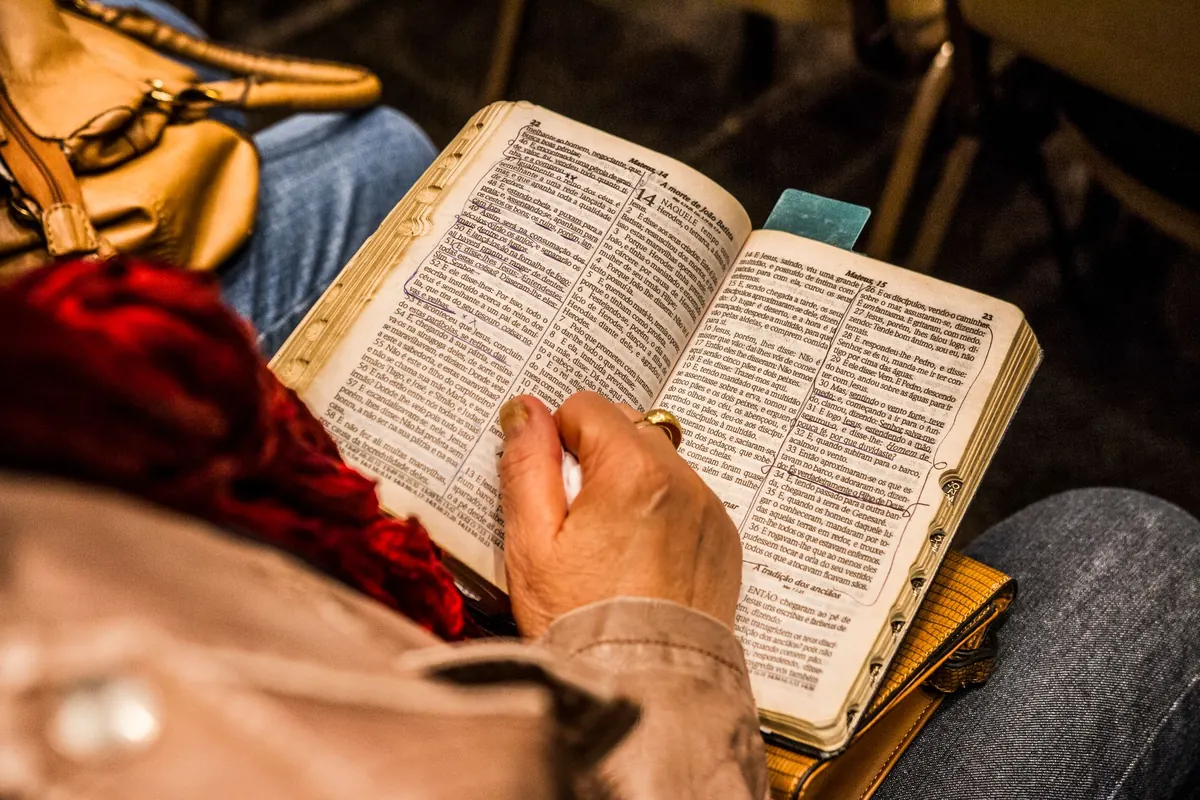
Photo: Eduardo Braga / Pexels

How to Talk About Faith at Work Without Being That Person
A practical guide to sharing faith at work with listening, good timing, legal awareness, and habits that...

A Local Church's Guide to Serving Refugees: Practical First Steps
A practical starting point for churches that want to serve refugees well: partner with resettlement...
About Us